What To Know Before Renting Storage Near Me
Searching for a
storage unit near me is the easy part. Working out which facility is actually right for your situation, at a price that makes sense, with terms you understand before you sign, is where most people spend less time than they should. The wrong choice tends to reveal itself after the fact, through unexpected charges, access restrictions or a unit that turns out to be the wrong size. This guide covers the key things worth checking before you commit to a storage rental, so you arrive at a good decision rather than a convenient one.
Work Out What Size You Actually Need
Unit sizing is the most common area where people either overspend or end up with a space that does not work. A unit that is too small means shuffling everything around every time you need something at the back. A unit that is too large means paying for space you are not using.
A practical way to approach sizing:
- Make a rough list of what you plan to store and whether it stacks or needs floor space
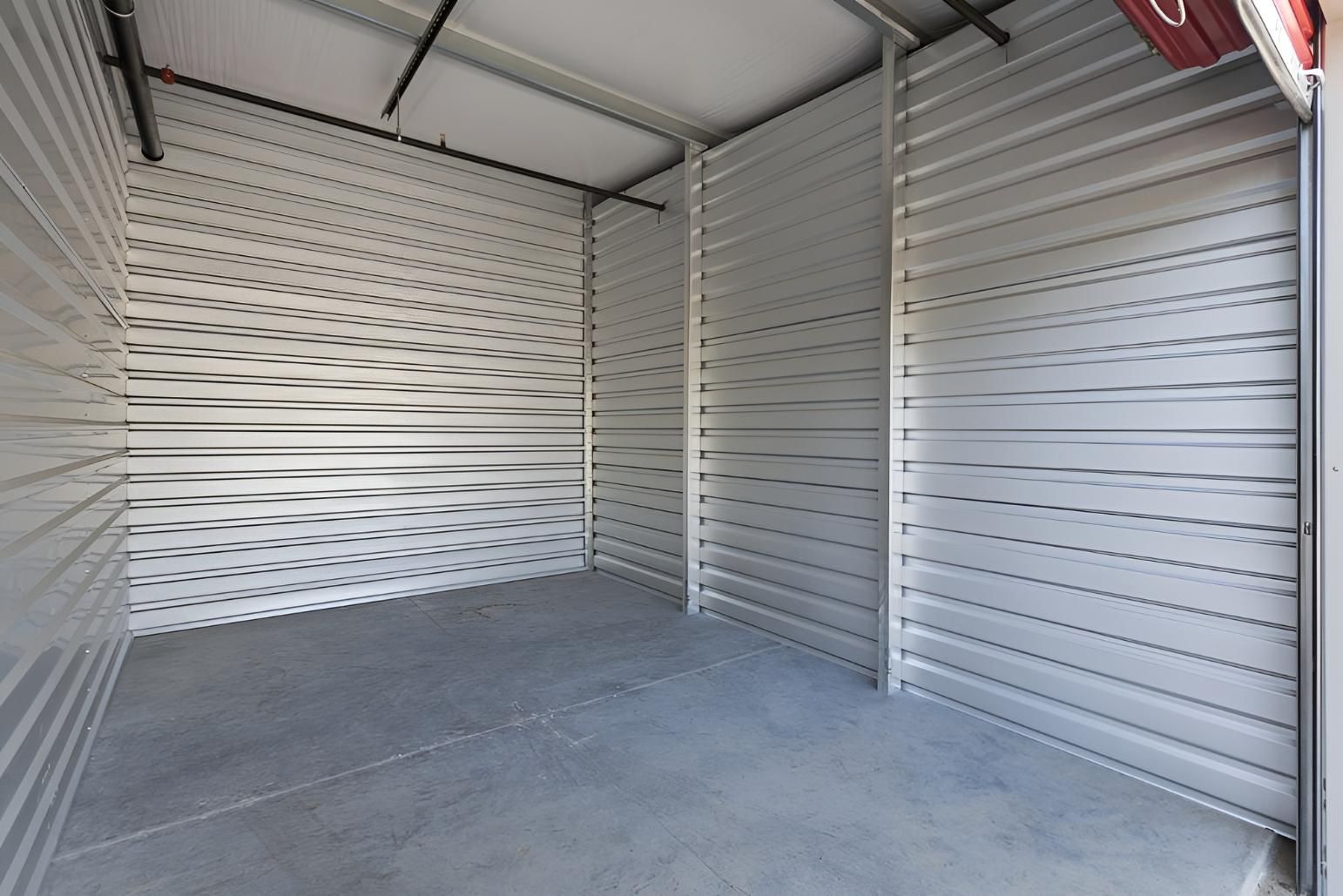
- For household items from a single room, a small unit around 3 to 5 square metres is usually sufficient
- A garage clearance or the contents of a one-bedroom home typically suits a medium unit around 9 to 12 square metres
- Larger furniture, vehicles, business inventory or the contents of a multi-bedroom home needs a larger unit of 15 to 20 square metres or more
Most storage facilities will advise on sizing if you describe what you are storing. Take them up on that rather than guessing.
Check the Full Cost, Not Just the Headline Rate
Pricing transparency varies significantly between storage facilities. The weekly or monthly rate advertised is not always the total cost once administration fees, insurance requirements and other charges are factored in.
Before signing, confirm:
- The total ongoing cost including any fees charged on top of the base rental rate
- Whether a security deposit is required and under what conditions it is returned
- What insurance is required and whether the facility provides this or whether you need to arrange your own
- Any notice period required to end the rental, as some facilities require 14 to 30 days' notice before vacating
Storage units in Hervey Bay or anywhere else should be compared on the full cost of occupancy rather than the weekly rate alone.
Understand the Access Hours Before You Book
Access hours matter more than most people think at the time of booking. A facility that charges competitive rates but restricts access to business hours may not suit someone who needs to collect or drop off items on weekends, in the evening or at short notice.
Questions to ask about access:
- What are the standard access hours and are there any days the facility is closed?
- Is 24-hour or extended access available, and does it cost extra?
- Is the access code or key available immediately upon signing, or is there a setup delay?
- For drive-up units, is vehicle access possible at the same hours as pedestrian access?
For business owners using storage for inventory, contractors storing tools or anyone with irregular schedules, access flexibility is a practical requirement rather than a convenience.
Visit the Facility Before Committing
Reading about a facility online and seeing it in person are two different experiences. A site visit before signing tells you things that are difficult to assess remotely.
What to look for during a site visit:
- The general condition of the facility, including whether units appear well-maintained and dry
- The ease of access for a loaded vehicle, trailer or truck, particularly if you are moving large items
- The distance between the car park or driveway and your unit, which affects how practical loading and unloading will be
- The security infrastructure, including fencing, lighting, cameras and gate access
- The overall cleanliness and whether there are signs of pest activity or water ingress in or around the units
A facility that looks good in photographs may have access routes that are awkward for a trailer, or units that are further from the entry than they appear. Seeing it first removes that uncertainty.
Drive-Up vs Indoor Units: Understanding the Difference
Many storage facilities offer both drive-up units with direct vehicle access and indoor units accessed through a covered building. Each suits different needs.
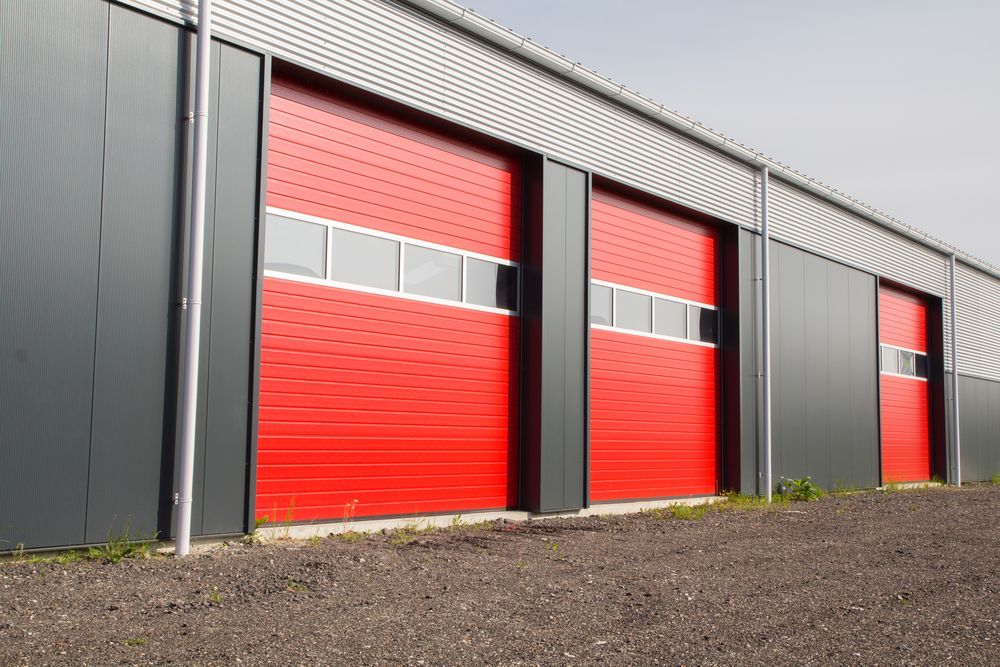
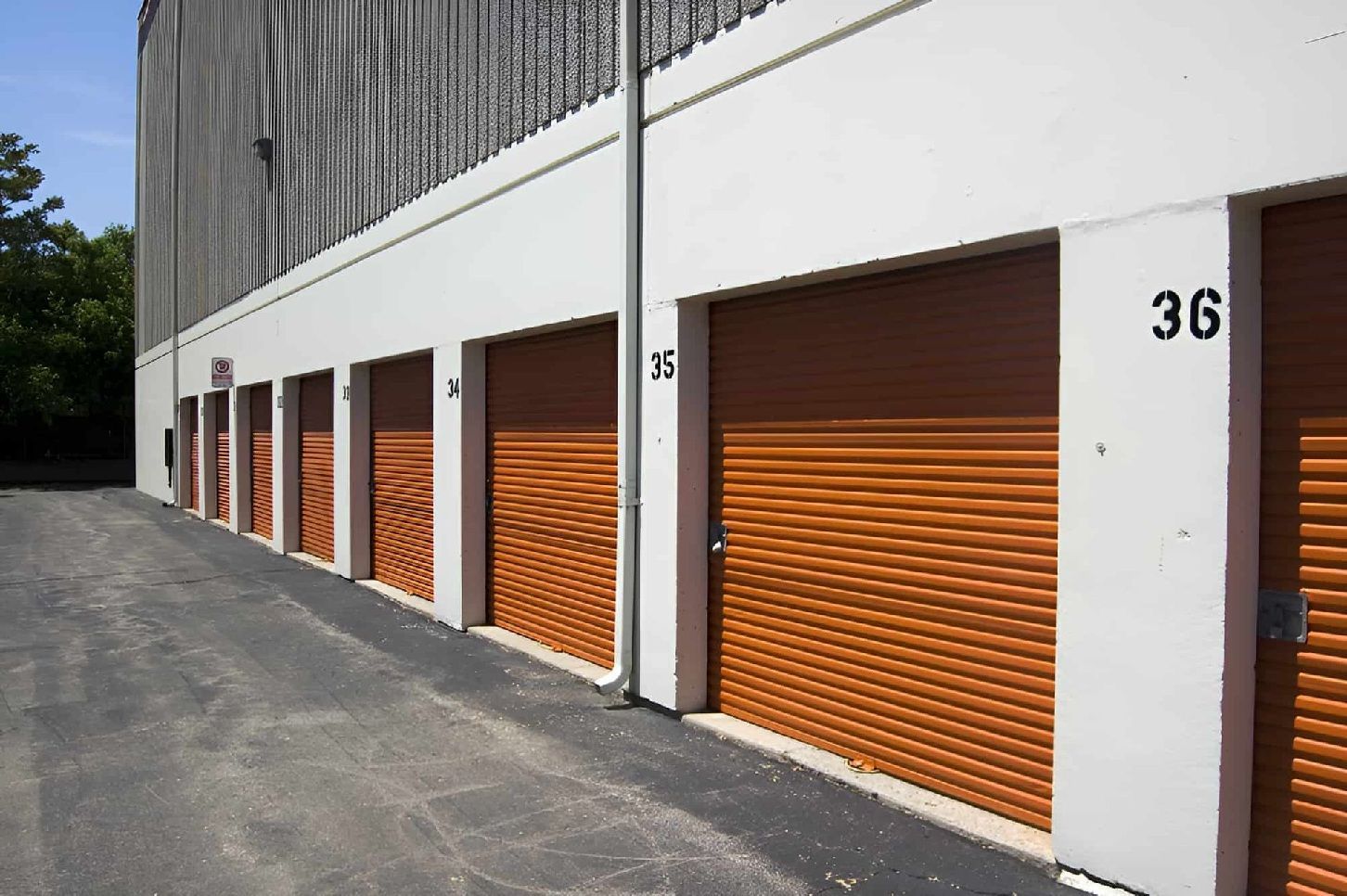
Drive-up units allow you to back a vehicle, trailer or truck directly to the unit door. They are practical for heavy or bulky items, frequent access and anyone moving large quantities in and out. They typically have roller doors and ground-level access, making loading and unloading straightforward.
Indoor units offer additional climate protection and may be better suited to sensitive items such as documents, electronics, artwork or anything that benefits from a more stable environment. They are often accessed via lifts or corridors and may be less convenient for heavy or frequent loading.
For storage sheds in Hervey Bay and the broader region, drive-up units are a popular choice for their practicality, particularly for tradespeople, gardeners and small business owners who need regular, easy access to their stored equipment.
Check the Contract Terms Carefully
Storage rental agreements vary in length and flexibility. Some facilities offer month-to-month arrangements that can be ended with short notice. Others lock tenants into longer terms or carry conditions that are not obvious at the time of signing.
Specific contract terms worth reviewing:
- The minimum rental period and what happens if you need to vacate before it ends
- The notice period required to end the tenancy
- Any conditions on the types of items that can be stored, as most agreements prohibit hazardous materials, perishables and certain liquids
- The facility's process if you fall behind on payments, including any lock-out or disposal policy
- Whether the rate is fixed for the duration of the contract or subject to increase
A facility with transparent, flexible terms and a clear process for ending the rental is a lower-risk choice than one where the fine print requires careful reading to understand what you have agreed to.
Security: What a Good Facility Should Offer
Security is a reasonable expectation for any paid storage arrangement. A well-managed facility should be able to describe its security measures clearly and confidently.
Minimum security features worth confirming:
- Perimeter fencing with controlled access via a coded gate or key
- CCTV cameras covering the facility and ideally individual unit access points
- Adequate lighting throughout the facility and access areas
- Individual unit locks, with most facilities requiring tenants to supply their own padlock as an additional measure
Higher-security facilities may also include on-site management during business hours, alarm systems and individually alarmed units. The level of security appropriate for your situation depends on the value of what you are storing.
Get Your Storage Decision Right from the Start
We at The Bay Self Storage offer storage sheds in Hervey Bay with transparent pricing, flexible rental terms and practical drive-up access suited to household, business and trade storage needs. Our facility is clean, secure and designed to make loading and unloading straightforward from day one. If you want to see the facility before committing, you are welcome to visit and our team will walk you through the available units and answer any questions. Call us or reach out through our website to check availability and get a quote.