Choosing Between Short-Term & Long-Term Storage
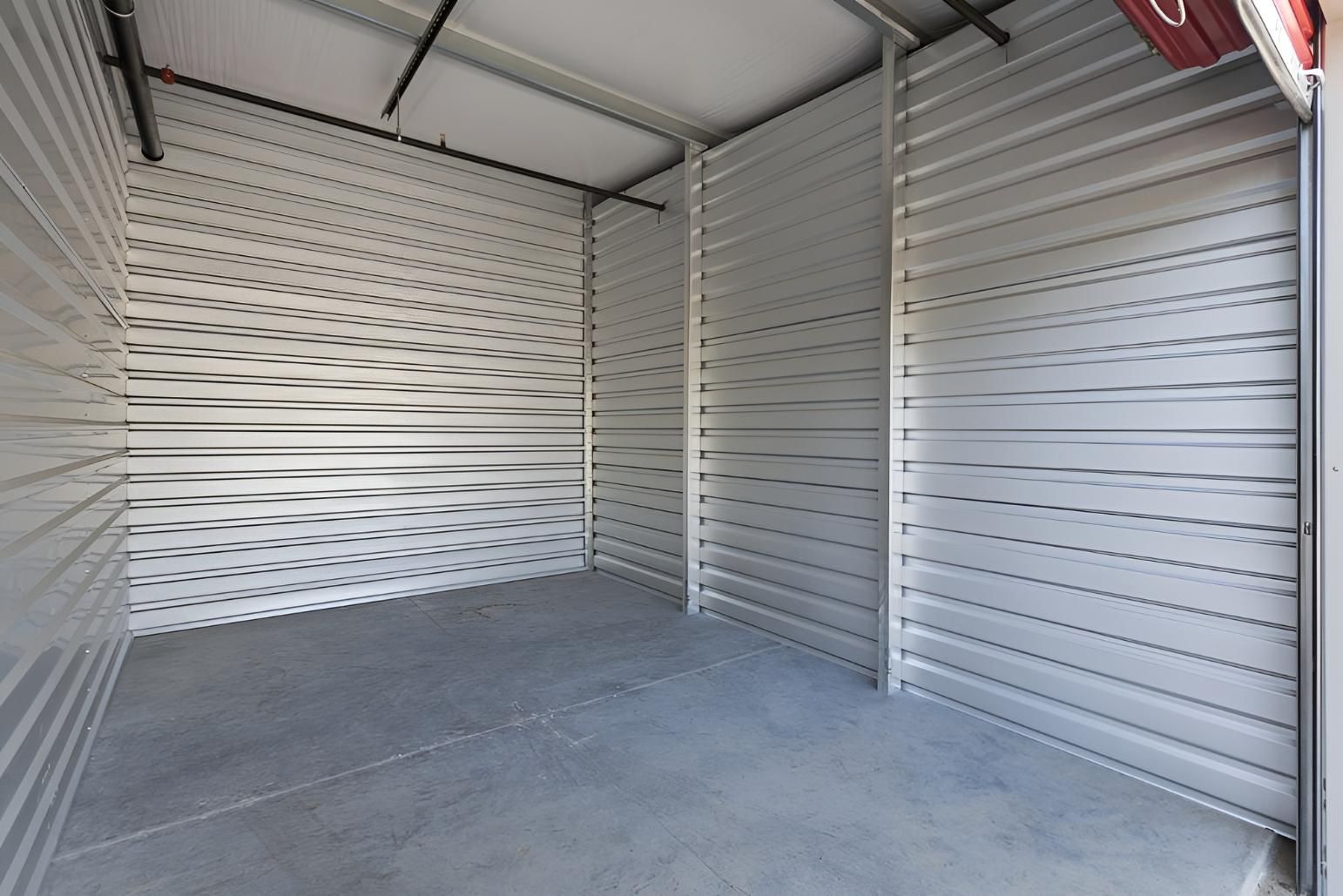
Not every storage decision is the same. Sometimes you need somewhere to put things for a few weeks while life is in transition. Other times, you need a reliable space that works for months or even years. Knowing which option suits your situation can save you money, stress and more than a few wasted trips. Whether you are moving house, managing a business or trying to reclaim space at home, understanding the difference between short-term and long-term storage is worth the time. For residents and businesses across the region, the choice of storage units in Hervey Bay comes down to a handful of practical factors that are easy to weigh once you know what to look for.
What Counts as Short-Term Storage?
Short-term storage generally refers to any rental arrangement that runs for a few days up to around three months. It suits situations where your storage needs have a clear end point, and where flexibility matters more than locking in a lower rate. The access conditions tend to be straightforward, and many facilities allow you to extend week by week if your timeline changes.
Short-term storage works well for:
- Moving house and needing a temporary home for furniture between settlements.
- Renovating and clearing rooms without sending belongings to landfill.
- Decluttering before a property sale or rental inspection.
This option is particularly appealing for renters and homeowners who want to keep their options open without committing to a long lease.
When Does Long-Term Storage Make More Sense?
Long-term storage, typically three months and beyond, suits people whose needs are ongoing rather than transitional. The pricing structure is often more cost-effective over time, and facilities generally encourage longer commitments with adjusted monthly rates. If your situation involves a sustained change rather than a temporary disruption, long-term storage is usually the more practical path.
Long-term storage suits:
- Small business owners holding seasonal or excess inventory.
- People travelling overseas or relocating interstate for extended periods.
- Those downsizing from a larger home and needing time to sort through belongings.
Signing a longer arrangement can provide stability and often works out considerably cheaper per month than rolling short-term contracts.
How Pricing Structures Differ
Storage facilities typically price short-term and long-term rentals quite differently. Short-term arrangements often carry a premium because of the flexibility they offer, while long-term contracts reward commitment with reduced rates. It is worth doing the maths before you decide, particularly if what starts as a short-term need has a habit of stretching out.
Key pricing considerations include:
- Whether the facility charges weekly or monthly and how this affects your total cost.
- Whether long-term contracts include rate locks or are subject to periodic increases.
- What fees apply if you need to exit a long-term arrangement early.
Getting clarity on pricing before you sign can prevent surprises down the track.
The Role of Contract Flexibility
Flexibility is one of the most important factors to clarify before committing to any storage arrangement. Some facilities offer rolling month-to-month agreements, while others require minimum terms that may not suit an unpredictable timeline. If your situation is likely to change, a rigid long-term contract can become more of a burden than a benefit.
It’s worth asking:
- Can you upgrade or downsize your unit size if your needs change?
- Is there a penalty for early exit, and how is it calculated?
- Can a short-term arrangement convert to a long-term one at a better rate?
Understanding your exit options upfront gives you far more control over the arrangement.
Security Features to Look for in Any Unit
Regardless of how long you plan to store your belongings, security should never be an afterthought. A quality facility will have layered security measures that protect your items whether you visit once a week or once a year. This is especially relevant for business owners storing inventory or equipment in storage sheds in Hervey Bay, where consistent access and theft prevention are both priorities.
Reliable security features typically include:
- CCTV surveillance covering entry points, driveways and individual unit areas.
- Pin-code or swipe-card access systems that log entry and exit.
- Individually alarmed units or perimeter fencing with controlled gate access.
Choosing a facility with strong security measures protects your investment and provides genuine peace of mind.
Does Climate Control Matter for Your Situation?
Not everything is affected by heat, humidity or moisture, but plenty of items are. Timber furniture, electronics, artworks, documents and certain fabrics can deteriorate quickly in an unconditioned space, especially in Queensland's warmer months. For those comparing storage units in Hervey Bay, climate control is one of the features that can vary significantly between facilities, and it is worth confirming what is available before you commit.
Items that typically benefit from climate control include:
- Wooden furniture prone to warping or cracking in fluctuating temperatures.
- Archived documents, photographs or important paperwork.
- Musical instruments, electronics and collectibles.
For long-term storage in particular, the cost of climate control is often far less than the cost of replacing or restoring damaged goods.
Accessibility & How Often You Will Actually Visit
It is easy to underestimate how often you will need to access your unit. If you are storing tools for a current project or rotating inventory for a business, frequent access matters. If you are storing furniture during a long overseas trip, it matters much less. Match your choice of facility to how often you genuinely need to get in.
Accessibility factors to consider:
- Whether the facility offers seven-day access or operates restricted hours.
- How close the unit is to your home, workplace or the property being renovated.
- Whether drive-up access is available for loading larger or heavier items.
A facility that suits your access habits will save time and frustration over the life of your rental.
Finding the Right Storage Solution for Your Situation in Hervey Bay
We at The Bay Self Storage know that no two storage needs are identical. Whether you are in the middle of a move, running a small business from home or simply trying to reclaim some space, choosing the right unit type and contract length can make a real difference to how smoothly things run. We work with residents and businesses across the region to find solutions that fit their timeline, budget and the kind of items they need to keep safe.
If you are weighing up your options for storage units in Hervey Bay, we are here to help you work through the decision. Get in touch with our team today to find out what is available and what will work best for you.