How To Maintain A Storage Shed In Coastal Areas
A shed near the coast can look fine from the driveway while salt, damp and stormwater quietly work on its fasteners, roof edges and floor. If you maintain a
storage shed in Hervey Bay, a simple routine of rinsing salt away, keeping water moving off the site and checking for early rust or leaks can help prevent small problems becoming expensive repairs. The key is consistency, especially after rough weather.
Why Coastal Conditions Need Extra Care
Coastal air carries salt, and when salt settles on metal and stays there with moisture, corrosion can develop faster than it would in a drier inland setting. Wind-driven rain can also find weak points around roof sheets, doors, flashings and fixings. Even timber sheds face coastal challenges: dampness can encourage swelling, rot and mould if water is trapped or ventilation is poor. The Australian Stainless Steel Development Association notes that washing removes salt deposits that can contribute to coastal corrosion.
A quick visual check every month or two is often more useful than waiting for an annual clean. Look along the base, corners, roof joins, hinges, screws and any cut or scratched coating. After a severe storm, inspect from ground level for loose sheets, new gaps, pooling water, damaged seals or a door that no longer closes smoothly. Don’t climb onto a wet or damaged roof; arrange a qualified tradesperson if a closer inspection or repair is needed.
Choose Materials for the Location
When building or replacing a shed, ask how its materials and fasteners are suited to a coastal environment. Metal panels with an appropriate protective finish, corrosion-resistant fixings and compatible components can reduce maintenance, but no finish makes a shed maintenance-free. Avoid mixing metals without checking compatibility, as dissimilar materials can contribute to corrosion where they meet.
For a timber shed, use timber treated for its intended exposure and keep it clear of persistent ground moisture. Pay particular attention to the base, posts and lower wall edges, where splashback and poor drainage can keep materials damp. If you are selecting a coating, follow the product maker’s preparation and reapplication instructions. A coating applied over loose rust, dirt or damp timber may not protect the surface as intended.
Rinse Away Salt and Dirt
Regular gentle cleaning helps remove salt, dust, leaves and other debris before they build up. Rinse exterior metal surfaces with fresh water, paying attention to sheltered areas under eaves, around door tracks and behind downpipes where rain may not wash them naturally. Use mild detergent and a soft brush or cloth for stubborn grime, then rinse well. For stainless steel components, ASSDA advises washing with soap or mild detergent and avoiding abrasive, chloride-based or bleach-containing cleaners.
Check the cleaning guidance for your shed’s specific material and coating first. Avoid harsh chemicals, abrasive pads and high-pressure washing that could damage paint, force water into joints or lift seals. If you see a small patch of surface rust, clean and treat it promptly using a product suitable for that metal and finish. Widespread rust, perforation or corrosion around structural connections needs professional assessment rather than a cosmetic cover-up.
Keep Moisture and Mould in Check
Ventilation and moisture control matter as much as the outside finish. Keep vents clear and avoid packing stored items hard against every wall; a little clearance helps air circulate and makes it easier to spot condensation, leaks or mould. If the shed has windows or vents, make sure they can open and close correctly, and avoid blocking them with boxes or equipment.
Inspect stored items as well as the shed itself. Damp cardboard, wet garden tools, soil-covered gear and fabric can hold moisture inside. Let wet items dry before storing them, and use shelves or pallets to keep boxes off the floor. If you notice a musty smell or recurring mould, look for the moisture source rather than repeatedly wiping the visible patch. Queensland WorkSafe identifies poor ventilation and excess moisture as conditions that can support mould growth, and recommends controlling leaks and maintaining good ventilation.
Protect the Base, Floor and Drainage
Water should drain away from the shed, not collect against its walls or underneath the floor. Clear leaves from gutters and downpipes, check that downpipe outlets are not blocked and keep soil, mulch and garden beds from building up against the shed base. After heavy rain, look for puddles, soft ground or water marks inside. Persistent pooling can undermine a base, keep timber damp and accelerate rust at lower panels and fasteners.
A stable, level base supports the shed and helps doors stay aligned. Check for movement, cracks, soft spots or sections that appear to have settled. Don’t add improvised packing beneath a structure or alter footings without understanding the shed’s design. If the floor feels uneven or the frame has shifted, have it assessed before loading the shed with heavy equipment.
Inspect Fasteners, Seals and Doors
A few loose screws or a worn seal can let wind-driven rain inside and allow a small issue to spread. During your routine check, look for loose or missing fasteners, lifting sheets, cracked sealant, damaged door sweeps, stiff hinges and tracks full of grit. Tighten or replace components only when you can do so safely and with compatible parts; structural fixings and damaged roof sheets are jobs for a qualified professional.
Open and close the doors to check their alignment and locking. Keep tracks clear of sand and leaves, and lubricate moving parts only with a product recommended by the manufacturer. If the door binds after a storm or the frame is visibly twisted, don’t force it. That can worsen the damage or affect security.
Make a Seasonal Maintenance Routine
A short checklist helps make upkeep manageable. Set a reminder for a regular walk-around and add an extra inspection after major storms or prolonged wet weather. During each check:
- Rinse salt and dirt from exposed surfaces and tracks.
- Check the roof edges, corners, fasteners and seals for visible damage.
- Clear gutters, vents and drainage paths.
- Look inside for water marks, condensation, mould or a musty smell.
- Keep stored goods dry and slightly raised from the floor.
- Note changes with a photo so you can tell whether rust, cracks or movement are spreading.
Keep a record of repairs, coating products and dates. That makes it easier to follow the manufacturer’s maintenance advice and identify recurring trouble spots. Don’t wait for the next scheduled check if water is entering, a panel has come loose or the frame appears unstable.
When a Storage Unit May Suit Better
Some people need extra space but don’t have a suitable place for another shed, or they want to move tools, boxes or business stock out of a crowded garage. A rental unit can be a practical alternative to building and maintaining another structure at home. Before choosing one, check what access, security and rental arrangements are offered, and ask whether the space is suitable for the items you plan to store. Don’t assume a standard unit is climate-controlled; sensitive items may need specific conditions.
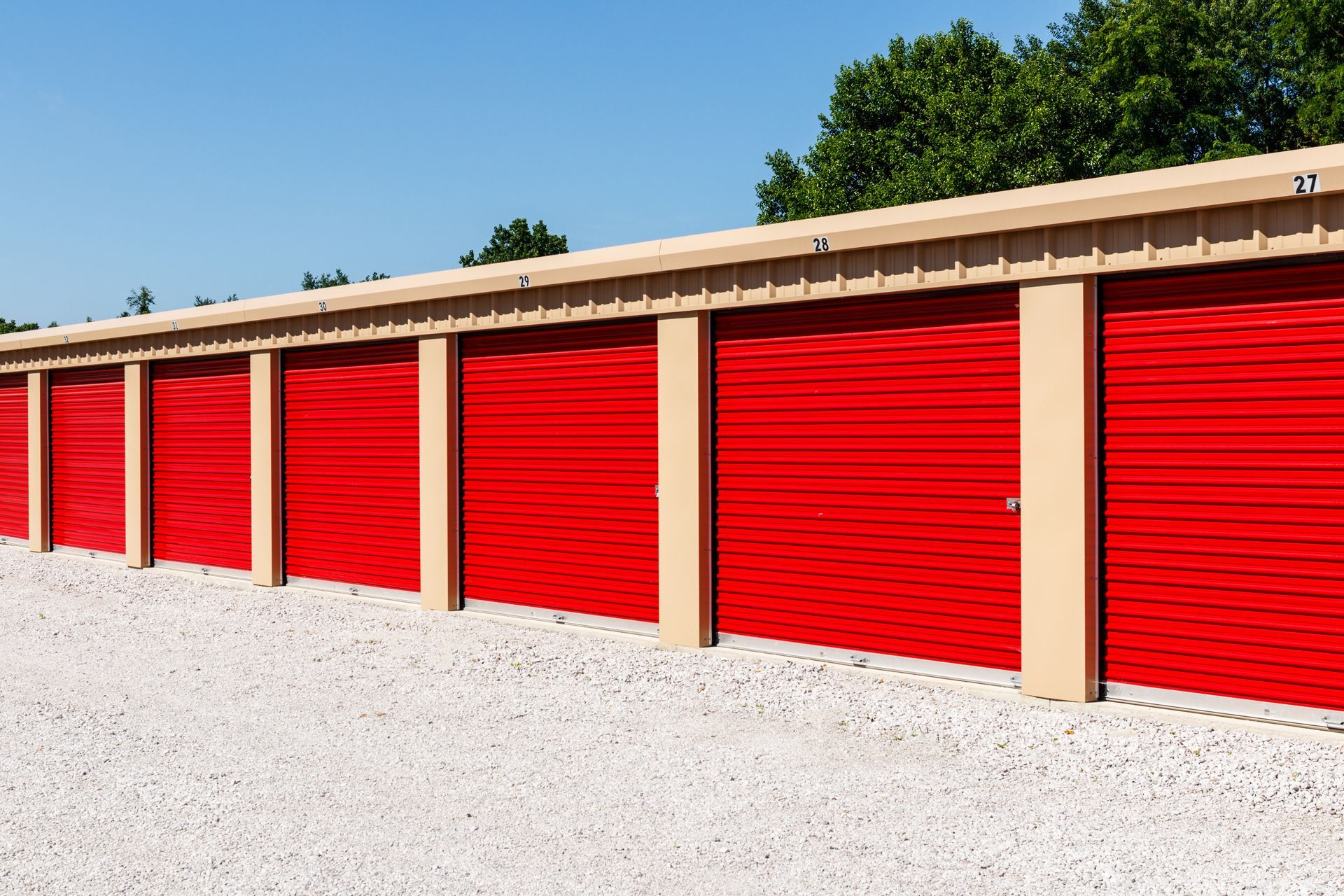
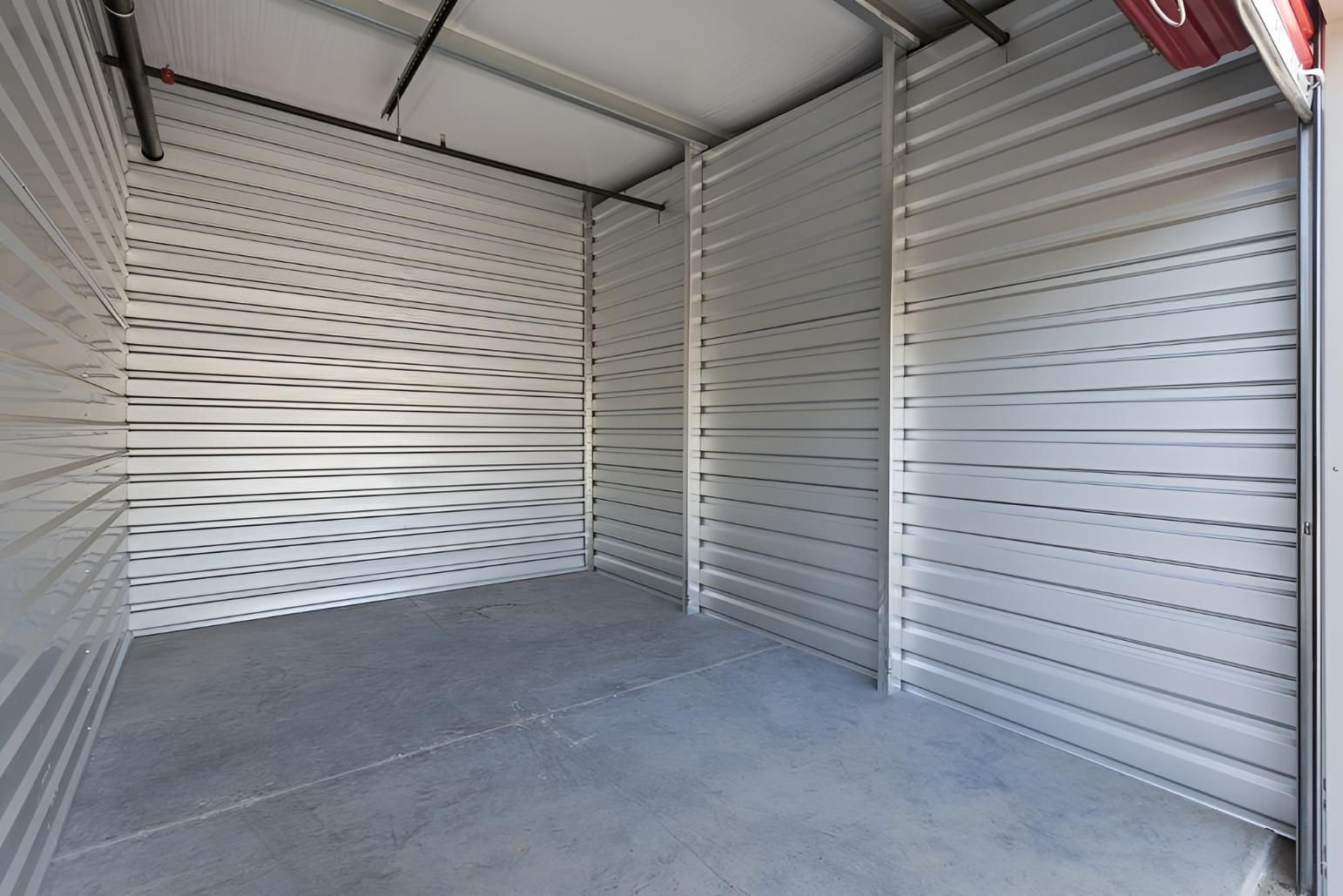
At The Bay Self Storage, we offer clean, well-maintained storage sheds in Urangan, with drive-up access, flexible rental terms and monitored facility security. Its sheds are 3 m × 6 m, so consider the size and access you need before booking. You can explore storage units in Hervey Bay for household overflow, hobby equipment or business stock that needs a separate place.
Keep Small Problems From Spreading
Coastal shed maintenance is mostly about preventing salt, moisture and storm damage from lingering. Rinse surfaces, keep drainage clear, check the base and fittings, and deal with leaks or corrosion early. For larger repairs or signs of structural movement, get qualified help rather than relying on a fresh coat of paint.
If your home shed is running out of room, we at
The Bay Self Storage can help you consider a separate storage option.
Contact us through to ask about availability and whether a unit suits what you need to store. You can also ask about our storage sheds in Hervey Bay and the access arrangements before deciding.
FAQs
How often should I inspect a coastal shed?
A quick visual check every month or two is a useful routine, with an extra check after severe weather. Follow any maintenance schedule supplied by the shed manufacturer, since materials and coatings vary.
What is the best way to remove salt from a metal shed?
Check the manufacturer’s care instructions, then use fresh water and a soft cloth or brush for routine cleaning. Mild detergent may help with grime; avoid abrasive or corrosive cleaners that can damage the finish.
How can I reduce mould in a storage shed?
Keep vents clear, store items dry and raised from the floor, and address leaks or pooling water promptly. If mould keeps returning, investigate the source of moisture and seek specialist advice for extensive growth.
Can I repair rust myself?
Small surface marks may be treatable with a product made for the shed’s metal and coating, following its instructions. If rust is spreading, has eaten through a panel or affects a joint or support, have the structure professionally assessed.
Is self-storage a good alternative to adding a backyard shed?
It can suit people who need extra space without building another structure at home. Compare access, unit dimensions, rental flexibility and permitted items, and ask the provider about conditions before storing moisture-sensitive belongings.